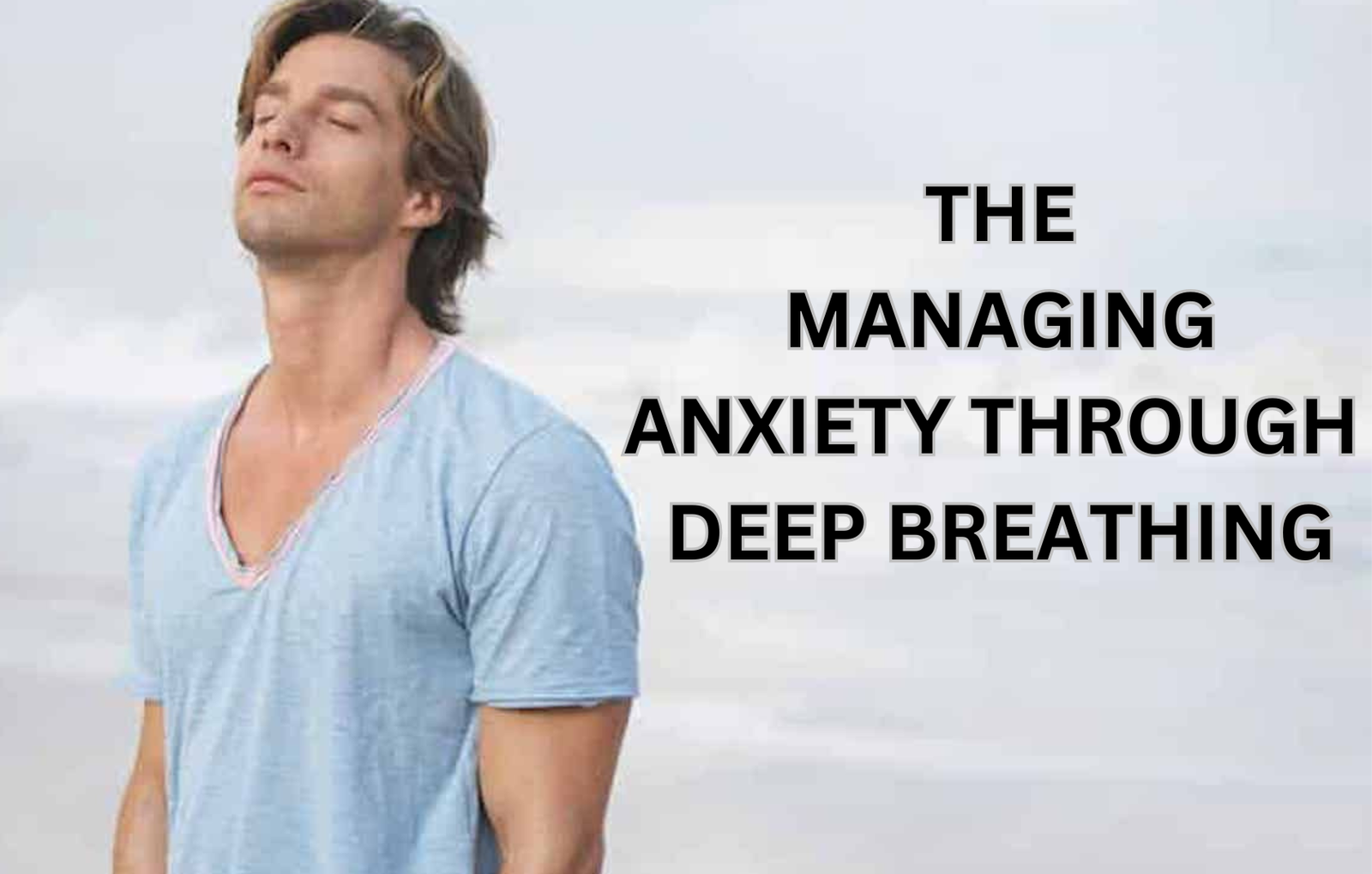
Anxiety can feel overwhelming leaving you tense, restless and unable to focus in today fast-paced world it no surprise that more people are seeking simple effective techniques to help you do just that unlike other strategies that might require ways to manage their stress and regain a sense of calm deep breathing is one of the easiest and most powerful extra time tools or preparation deep breathing is something you can practice anywhere anytime by focusing on your breath you can interrupt the cycle of anxious thoughts and physical tension bringing your mind and body back to a state of balance.
It works by activating the body relaxation response lowering your heart rate and reducing cortisol levels you preparing for a big presentation dealing with everyday stress or struggling with persistent anxiety, this technique can serve as a reliable anchor in stormy moments you do not need any special skills or prior experience to get started with a little practice deep breathing can become your go-to tool for managing anxiety helping you stay grounded and in control no matter what life throws your way.
Understanding Anxiety and Breathing:
Anxiety is a natural reaction to stress but when it becomes overwhelming it can affect your daily life and well-being it often feels like a storm inside leaving you restless, tense or unable to focus in such moments something as simple as breathing can make a big difference breathing is more than just a basic function it a powerful tool that connects your body and mind when you feel anxious your breathing tends to become shallow and rapid which can worsen feelings of panic and stress by consciously practicing deep and slow breathing you can signal your brain to relax and switch off the fight or flight mode.
This happens because deep breathing activates the parasympathetic nervous system which is responsible for calming the body taking slow deliberate breaths not only slows your heart rate but also clears your mind giving you a sense of control in the midst of chaos the beauty of this technique is its simplicity and accessibility you can practice it anywhere anytime you preparing for a big presentation dealing with personal challenges or simply trying to stay grounded mindful breathing offers a natural and effective way to ease anxiety and regain balance in your life.
Benefits of Deep Breathing for anxiety:
Deep breathing is one of the simplest and most effective ways to reduce anxiety and regain a sense of calm when you anxious your body reacts by tightening muscles quickening your heartbeat and speeding up your breathing this reaction can make you feel overwhelmed and out of control deep breathing helps counteract these effects by slowing your breath calming your heart rate and relaxing tense muscles it sends a message to your brain that it safe to relax which reduces the production of stress hormones like cortisol regular practice of deep breathing can help you build resilience to anxiety by training your body to respond more calmly in stressful situations.
Beyond immediate stress relief deep breathing also improves mental clarity and focus by increasing oxygen flow to the brain it enhances concentration and helps you think more clearly even during high-pressure moments it promotes better sleep which is often disrupted by anxiety another significant benefit is that it a natural medication-free technique that you can use anywhere at work, home or in public incorporating deep breathing into your daily routine not only helps manage anxiety but also improves overall well-being, making it an invaluable tool for emotional balance and mental health.
Techniques for Deep Breathing:
Practicing deep breathing can be simple and highly effective for managing anxiety and there are several techniques to help you get started one of the most popular methods is diaphragmatic breathing also known as belly breathing to practice this sit or lie down in a comfortable position place one hand on your chest and the other on your stomach and take a deep breath through your nose focus on making your stomach rise as you inhale while keeping your chest still then slowly exhale through your mouth this technique encourages full deep breaths that relax the body and mind another useful method is the 4-7-8 technique which is great for calming your nerves. Inhale through your nose for a count of four hold your breath for seven counts and exhale slowly through your mouth for eight counts.
This rhythmic pattern helps regulate your breathing and quiet your thoughts for a more meditative approach try box breathing visualize drawing a square in your mind as you inhale for four counts hold your breath for four counts exhale for four counts and pause for another four counts before repeating these techniques are easy to learn and can be practiced anywhere making them perfect for moments of stress or overwhelm by incorporating deep breathing into your daily routine you can create a powerful habit for reducing anxiety and improving overall well-being.
Conclusion:
Deep breathing is a simple yet powerful tool for managing anxiety and improving overall well-being it helps calm the mind, relax the body and restore balance during stressful moments unlike many other stress-relief methods, deep breathing is natural, accessible and can be practiced anytime anywhere it through diaphragmatic breathing the 4-7-8 technique or box breathing each method offers a way to regain control and find peace in the midst of chaos what makes deep breathing so effective is its ability to connect the body and mind helping to reduce the physical symptoms of anxiety while promoting mental clarity.
FAQS:
1 What is deep breathing
Deep breathing is a calming technique where you slowly inhale through your nose and exhale through your mouth to relax your body and mind
2 How does deep breathing help with anxiety
It helps by lowering your heart rate reducing stress hormones and creating a sense of calm and control
3 How often should I practice deep breathing
Practicing deep breathing for five to ten minutes daily can help manage anxiety and improve focus
4 Can deep breathing stop a panic attack
Yes deep breathing can slow down intense physical reactions during a panic attack and help you feel grounded
5 Do I need special training to do deep breathing
No deep breathing is simple and natural and anyone can learn it without special tools or guidance
Top of Form
Bottom of Form